
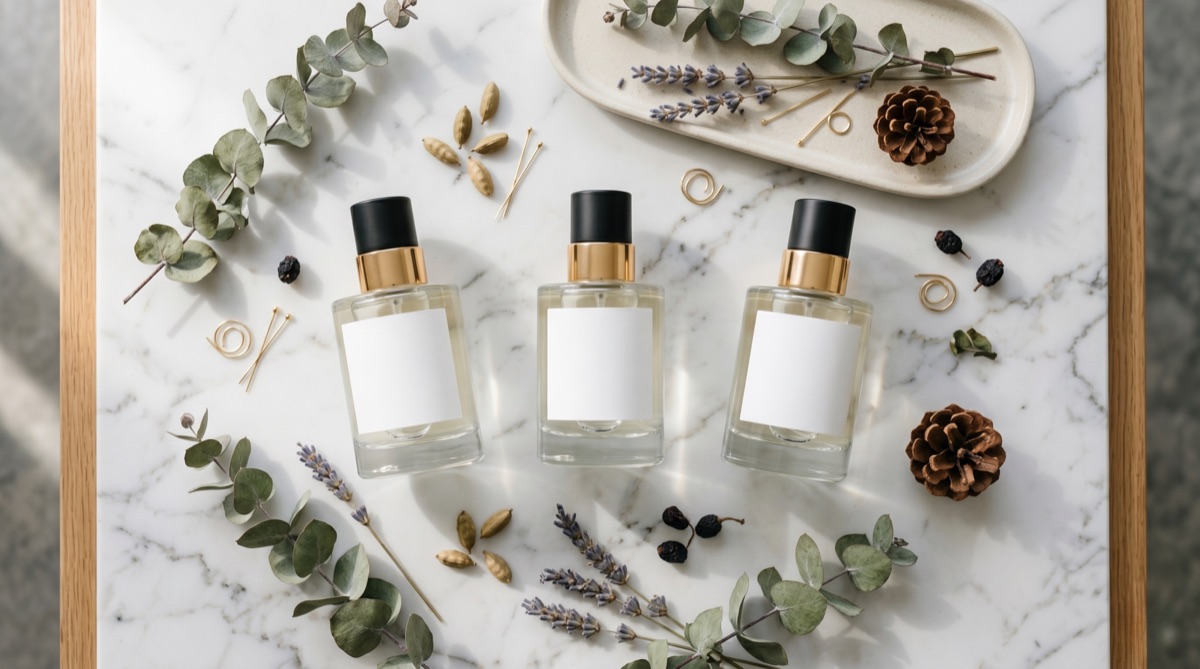
If you’re building an aroma brand, one of the first decisions you’ll face is whether to go white label or private label. Both involve sourcing finished products from a manufacturer — but the level of control, investment, and lead time are very different. Understanding white label aroma products and how they compare to private label will save you from committing to the wrong model at the wrong stage.
What White Label Actually Means
White label means the manufacturer produces a standard, pre-formulated product — a diffuser, a fragrance oil, a reed diffuser set — and you apply your own branding to it. The product itself doesn’t change. You’re buying speed and simplicity.
For aroma brands, white label typically means:
- Pre-made fragrance oil blends in standard concentrations
- Stock diffuser hardware with your logo applied
- Packaging options within existing templates
The advantage is low minimum order quantities, fast turnaround, and no R&D cost. The disadvantage is that your competitor could be selling the identical product under a different label.
What Private Label Actually Means
Private label means working with a manufacturer to produce something specific to your brand — a custom fragrance blend, a modified hardware spec, bespoke packaging. The product is yours and isn’t available to other buyers.
According to Wikipedia’s overview of private label, this model has expanded significantly across consumer goods categories precisely because it allows brands to differentiate on product, not just marketing.
For aroma brands, private label typically means:
- Custom fragrance formulation (your scent profile, your name)
- Hardware modifications — color, finish, logo placement, button configuration
- Fully custom packaging — box design, insert copy, materials
The advantage is genuine differentiation. The disadvantage is higher MOQ, longer lead time, and upfront development cost.
How to Choose Between White Label Aroma Products and Private Label
The honest answer is that most brands start with white label and move into private label as volume and positioning justify it. Here’s how to think through the decision:
Choose white label if:
- You’re testing a new market or product category
- Your MOQ budget is below 100–200 units per SKU
- Speed to market matters more than product exclusivity
- You’re building a retail bundle or gift set where the brand experience is in the curation, not the individual product
Choose private label if:
- You’re positioning at a premium price point where product differentiation is expected
- You have consistent reorder volume to justify custom MOQ (typically 500+ units)
- Your brand identity depends on a signature scent that no one else can replicate
- You’re building toward wholesale or retail distribution where buyers will ask “what makes this yours?”
For a detailed breakdown of the private label process, see our guide on launching a private label aroma brand.
The Middle Ground: Semi-Custom
Many buyers land in a middle position: white label hardware with a custom fragrance oil, or a standard diffuser with fully custom packaging. This gives you meaningful differentiation without the full commitment of product-level customization.
This approach works particularly well for:
- Hotel and hospitality brands building a signature scent program
- Wellness businesses that want a branded product without large upfront MOQ
- E-commerce brands launching a first SKU before committing to full custom development
The fragrance oil is often the easiest place to customize first — blending costs are relatively low, and a unique scent profile is genuinely difficult for competitors to copy. Understanding fragrance oil MOQ and blending minimums is a good starting point before approaching a supplier.
What to Ask a Supplier Before You Commit
Whether you’re pursuing white label or private label, these questions will tell you a lot about whether a supplier is worth working with:
- What’s your minimum for white label vs. custom? A supplier who won’t discuss MOQ until you’ve placed a deposit is a red flag.
- Can I see the base formula spec for your white label products? You need to know concentration, carrier type, and allergen compliance.
- What’s your lead time on custom blending vs. stock products? Custom fragrance development typically runs 4–12 weeks before production begins.
- Do you provide batch consistency documentation? For repeat orders, scent consistency is non-negotiable.
- What’s included in packaging customization? Clarify what’s a template option versus a true custom tooling cost.
If you’re evaluating options for your aroma brand — white label, semi-custom, or full private label — contact Scentvita to discuss what makes sense for your volume and timeline.