
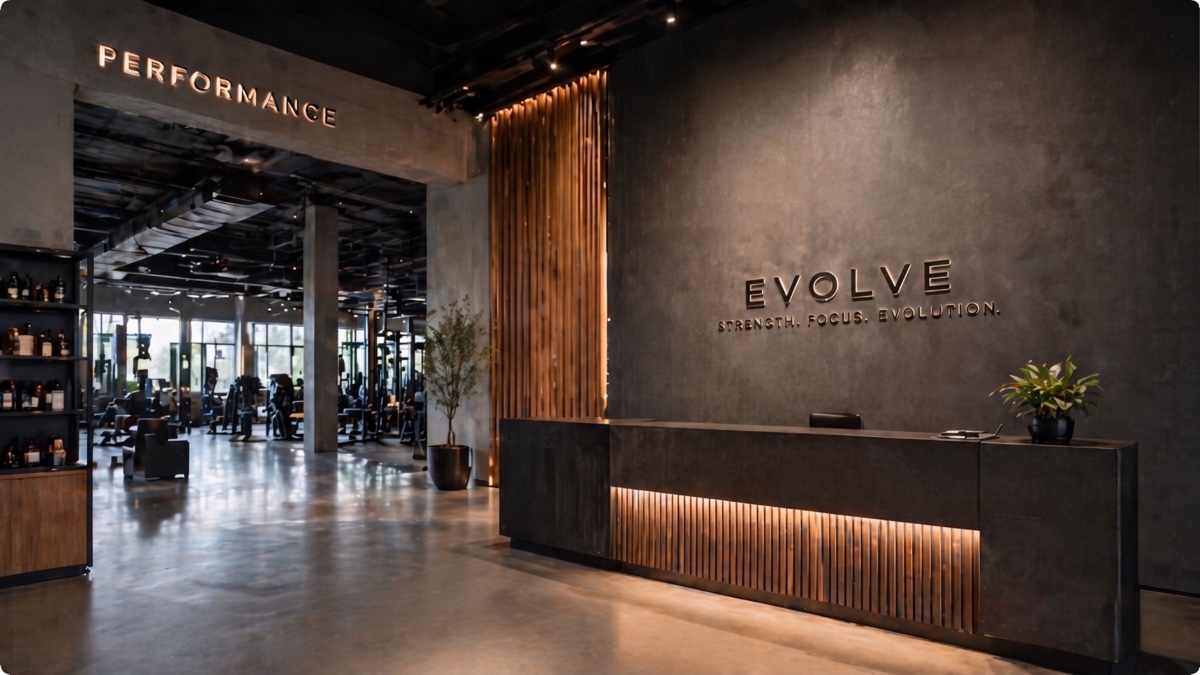
Gyms have a scent problem that most operators don’t talk about openly. The combination of sweat, rubber flooring, cleaning products, and recycled air creates an ambient odor that members tolerate but never forget. Scent marketing for gyms addresses this — not by masking the problem with something heavy, but by introducing a fragrance that reframes the entire sensory environment. Done right, members associate the scent with energy, performance, and a space that takes care of itself. Done wrong, it adds one more unpleasant smell to an already complicated air environment. Here’s how to get it right.
Why Scent Marketing for Gyms Works Differently
In retail or hospitality, scent primarily influences mood and brand recall. In a gym, it does both of those things — but it also has to work against an active odor environment, in a space with high airflow, elevated temperatures, and members who are physically exerting themselves.
That changes the selection criteria significantly. According to research on olfaction and physical performance, certain scent compounds interact with the brain’s alertness and arousal systems — which is why the right fragrance in a gym can feel genuinely energizing rather than just pleasant.
The scent also has to hold up under real conditions. A fragrance that smells clean at 8am can fade or distort by 11am when the space is at full capacity. Output levels and diffuser placement matter more in gym environments than in almost any other commercial setting.
5 Fragrance Choices That Work for Fitness Spaces
1. Eucalyptus and Peppermint — The Performance Standard
This is the most reliable combination for gym main floors. Eucalyptus reads as clean and open — the olfactory equivalent of fresh air — while peppermint adds a sharp, alerting quality that members associate with effort and energy.
Peppermint in particular has documented associations with athletic performance contexts. It’s stimulating without being aggressive, and it’s strong enough to hold its own in a busy workout environment.
Best for: main workout floor, free weights area, cardio equipment zones.
Diffuser note: this combination works best through cold air nebulizing diffusion. Heat-based diffusion in a warm gym environment can amplify the sharpness of peppermint beyond what’s comfortable during a long session.
2. Grapefruit and Citrus — The Energy and Mood Choice
Citrus fragrances are consistently associated with alertness and positive mood. Grapefruit in particular is brighter and less domestic than lemon — it reads as premium without being unusual.
For gym environments, grapefruit works particularly well in entrance and reception areas, where the goal is an immediate energy signal rather than sustained background presence. It’s also more universally appealing than mint-forward blends, making it a good choice for mixed-use fitness facilities where members have different workout preferences.
Best for: entrance lobby, reception, spin or group class studios.
3. Cedar and Pine — The “Fresh Outdoor” Signal
For gyms positioned around functional fitness, outdoor training, or performance-focused communities, cedar and pine deliver an associations with nature, space, and physical capability. These aren’t cleaning product scents — they’re forest notes, which is a meaningful distinction in a space that can otherwise feel contained.
The other advantage: cedar and pine are low-irritation fragrances. Members with sensitivities to sharper scents — eucalyptus or mint at high concentration — rarely have issues with woody notes at normal diffusion levels.
Best for: functional fitness zones, climbing walls, recovery and stretching areas used post-workout.
4. Light Eucalyptus for Locker Rooms — A Special Case
Locker rooms require a different approach than the main floor. The odor challenge is more concentrated, the space is smaller, and members spend less time there — which means a fragrance needs to work quickly rather than build gradually.
A light eucalyptus at moderate concentration handles this well. It’s associated with cleanliness without smelling like a cleaning product, and it dissipates quickly enough that it doesn’t linger on clothing or create a sealed-room effect.
The diffuser setup matters here: a small unit on a short cycle works better than continuous output. Locker rooms with good ventilation need less fragrance than enclosed spaces — over-diffusing in a locker room is the most common mistake operators make.
5. Lavender and Chamomile — Recovery Zone Only
This choice is counterintuitive for a gym, but it belongs in one specific location: dedicated recovery, stretching, or foam rolling areas. Members using these spaces are cooling down, not warming up. A calming fragrance supports the physiological shift from high-effort to recovery mode.
This is the same principle that makes spa scent marketing effective — different zones have different physiological goals, and the fragrance should match the activity, not just the building.
Keep the output low. Recovery zones are quiet spaces; a heavy fragrance undermines the calm you’re trying to create.
Diffuser Setup for Gym Environments
Standard commercial diffuser placement doesn’t translate directly to gym environments. A few adjustments:
- Main floor: Higher ceilings and constant airflow mean you need more output than a comparable retail space of the same square footage. A mid-sized cold air diffuser at 40–50% output, or multiple smaller units positioned to work with the HVAC flow rather than against it.
- Group class studios: Treat each studio as a separate zone with its own diffuser. Classes have high-intensity periods followed by cool-downs — a timer that reduces output during the final 10 minutes of class prevents the fragrance from feeling heavy during cool-down.
- Locker rooms: Small unit, 20–25% output, short on/off cycles. Replace fragrance oil more frequently than in other zones — the humidity affects diffusion rate.
- Reception: Prioritize here. This is where members form their first impression of the day and where new members evaluate the facility. A clean, energizing scent at the entrance sets the tone for the entire visit.
For large facilities or multi-location gym chains, fragrance oil ordering at volume with batch consistency becomes important — members across locations should experience the same scent, which requires the same oil spec across orders.
Getting Started
The lowest-risk way to introduce scent marketing to a gym is zone-by-zone rather than facility-wide from day one. Start with reception and the main workout floor, gather member feedback over four to six weeks, then expand to ancillary zones.
Request samples in the concentration range you plan to use, and test during peak hours — not just opening or closing times when the space is empty. A fragrance that works at 7am may behave differently at 6pm with 80 members on the floor.
To request a matched sample set for your gym environment, contact Scentvita.